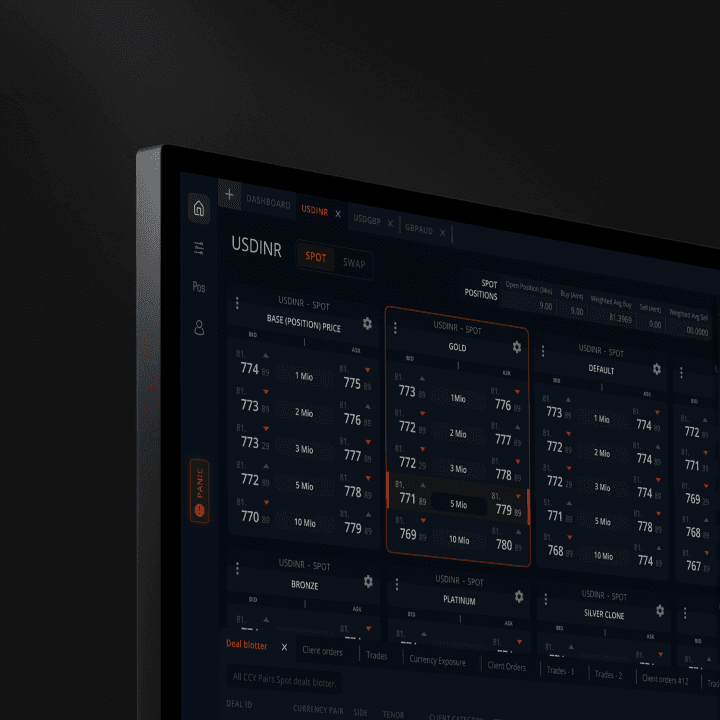
The existing platform handled core functions, but wasn’t built for the speed and pressures of live trading. Traders had to jump between multiple views for critical actions, delaying visibility into how their inputs shaped pricing. It broke momentum, slowed down reactions, and created a disconnect from price-building.
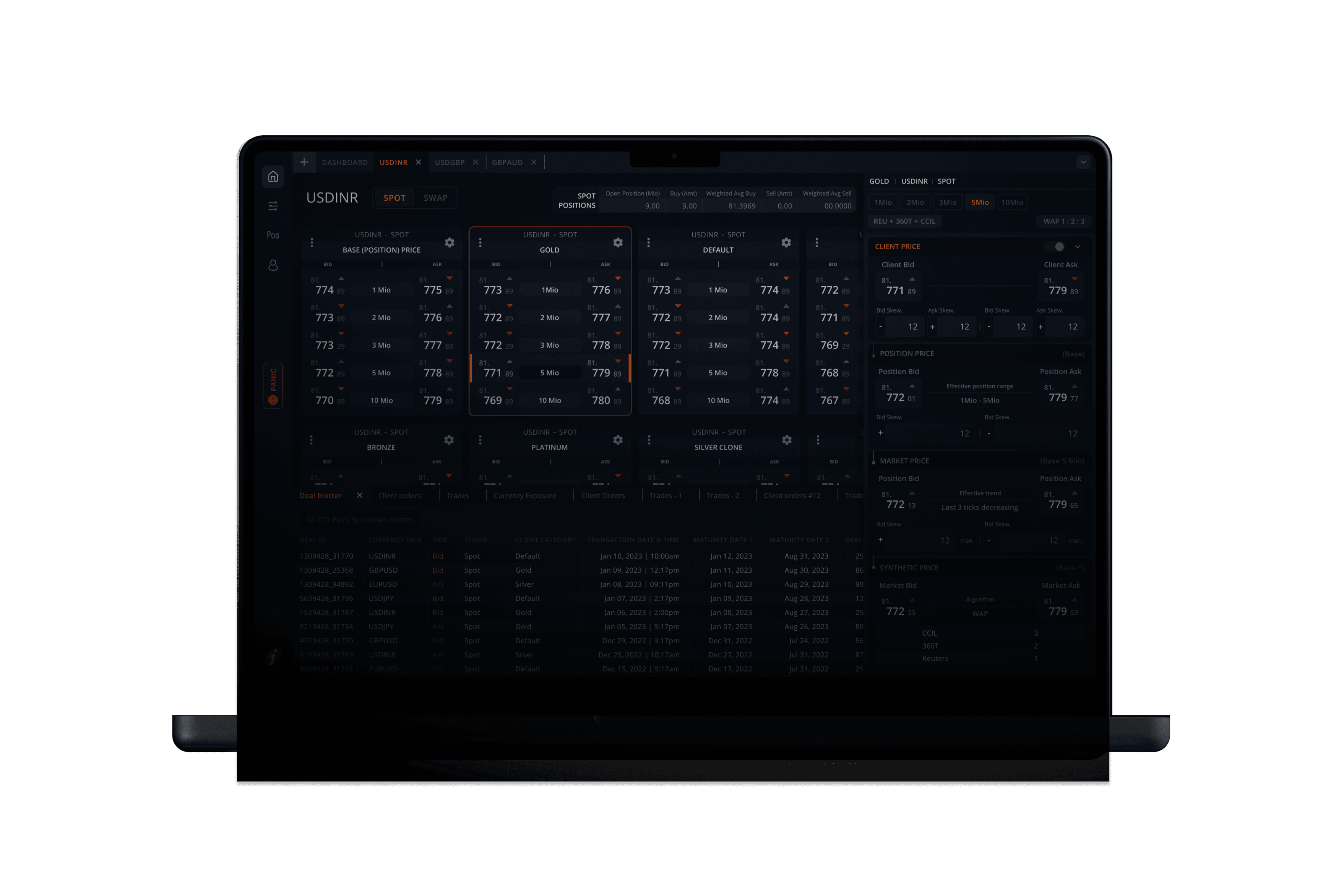
We designed a single, high-density interface that brings pricing, rules, positions, and trades together in one unified view. With live feedback and complete control over configurations, traders can act instantly without ever leaving the screen.




Why this worked
Tuned for experts
Every element - from layout density to data prioritization - was tuned to align with expert workflows, minimizing friction and enabling quick decision-making.
Macro perspective, micro control
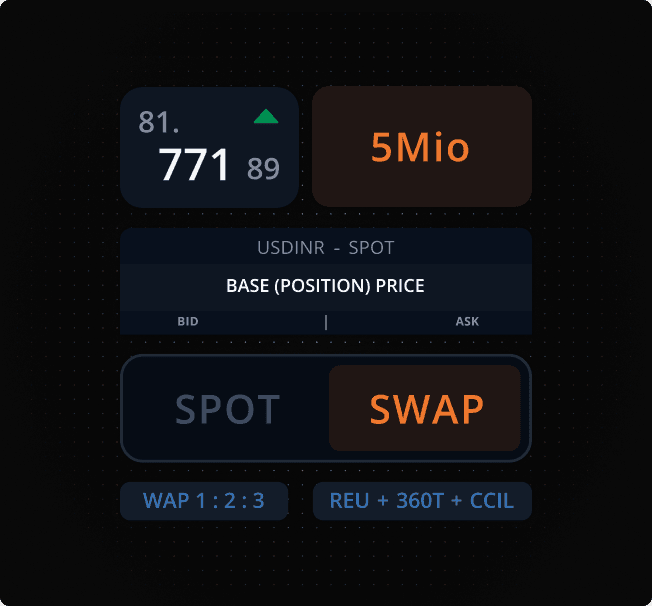
The interface was structured to balance overview and action. While you still had an overall view, the individual views gave enough controls to be able to perform quick actions with minimum friction.
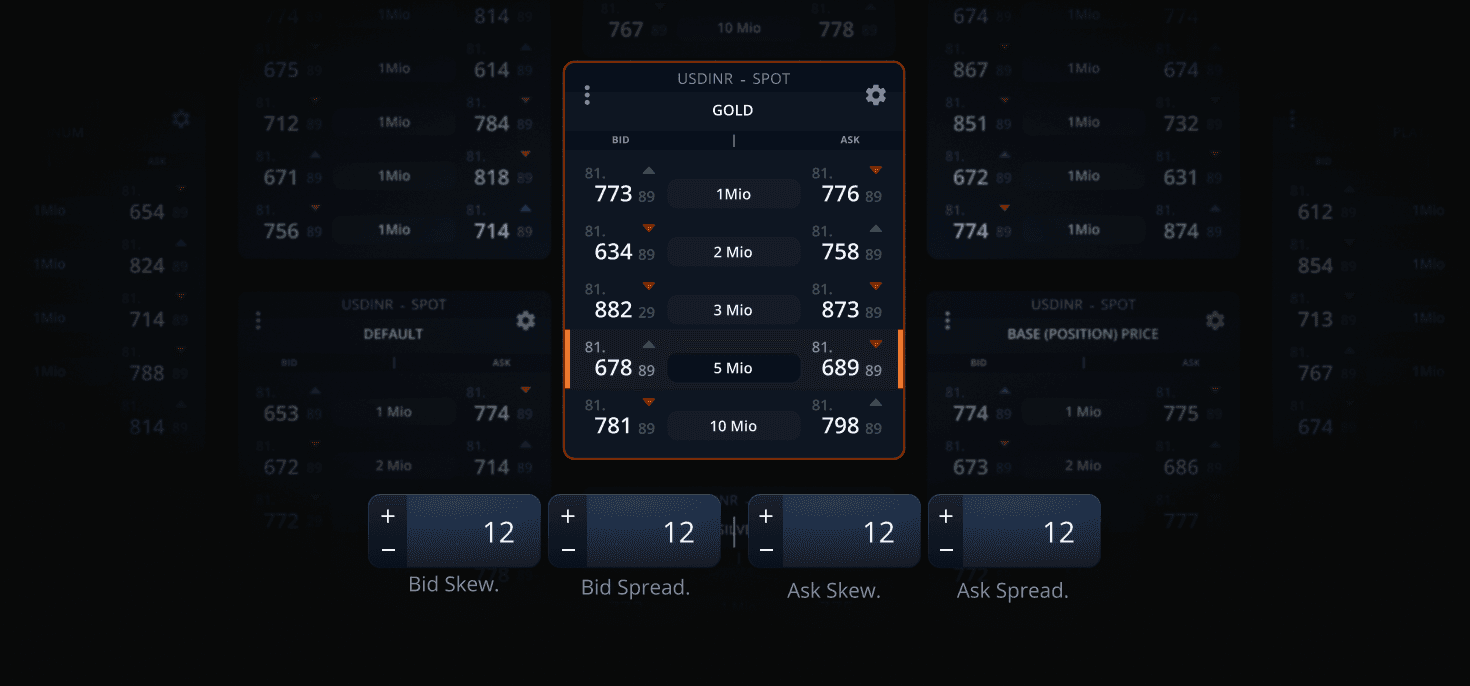
Customizability
Dashboards that adapt to traders meant to be regular, long-term users. Customize, prioritize and access what matters most.
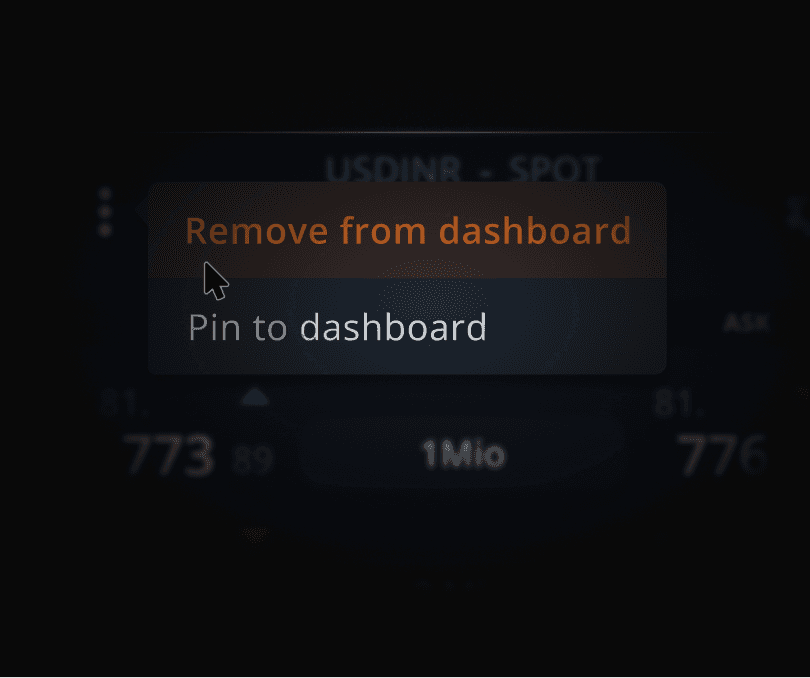
Everything, in one place.
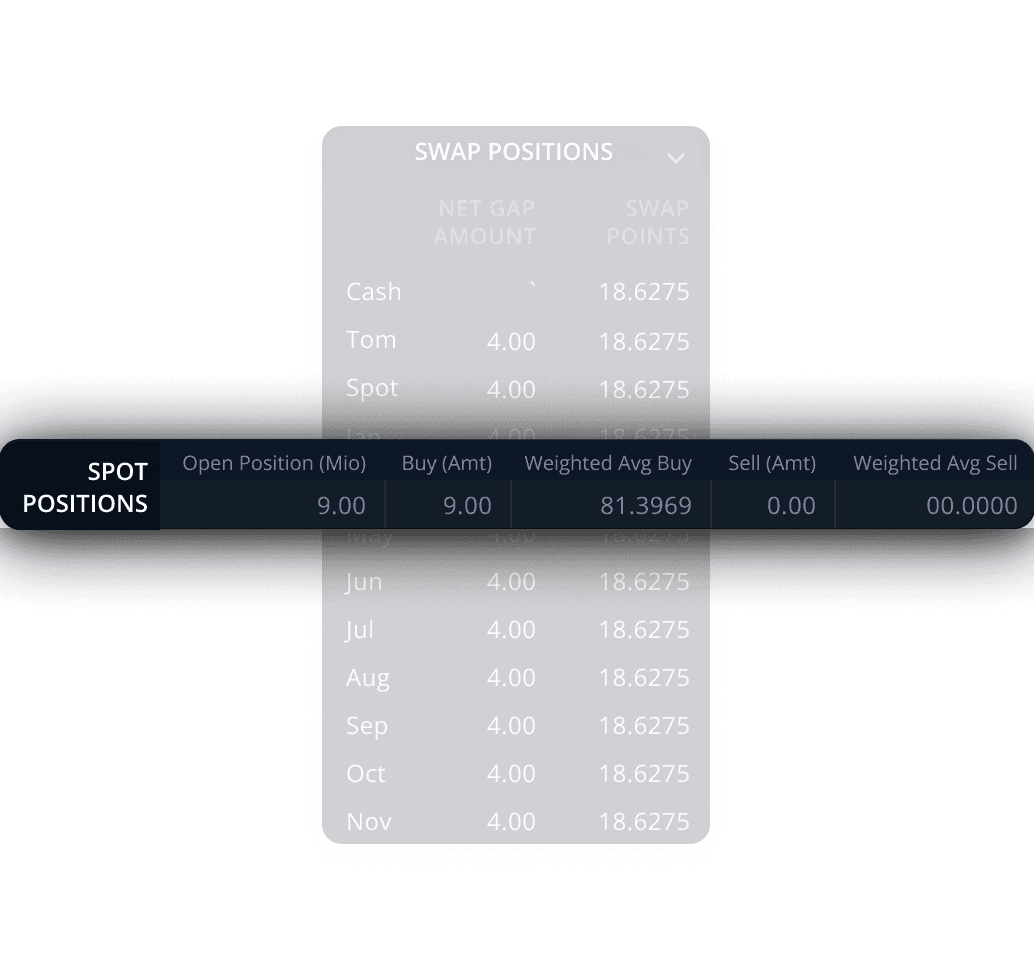
From pricing, positions, rules and different currency sets to top-level information—everything is sat together in one place, just a click away.
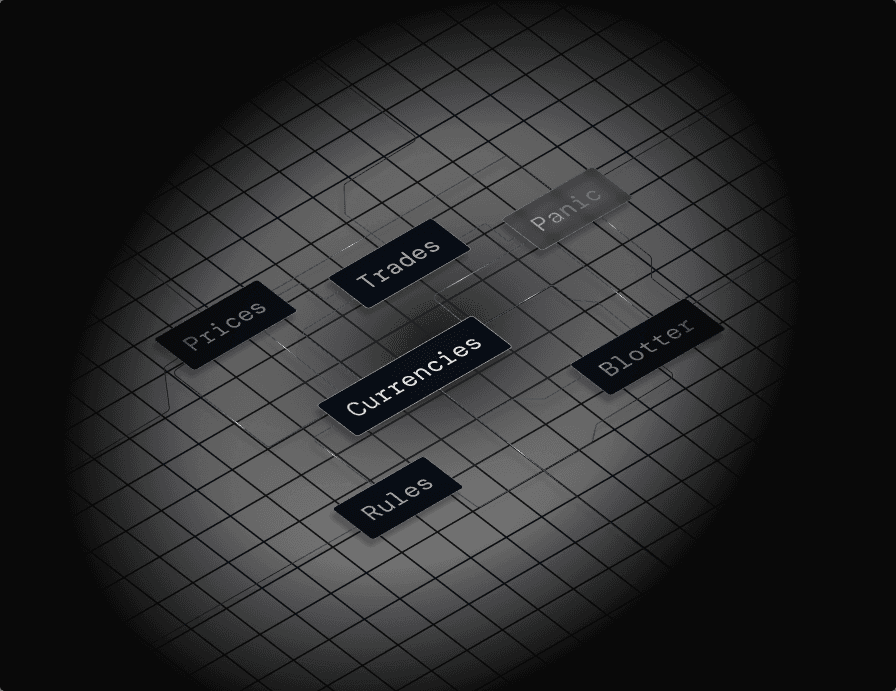
Modularity
We approached the interface as a collection of reusable modules rather than isolated screens. This allows new features to be built or updated without disrupting the overall experience.The concept of a network of tasks representing a full project with an expandable timeline to support.
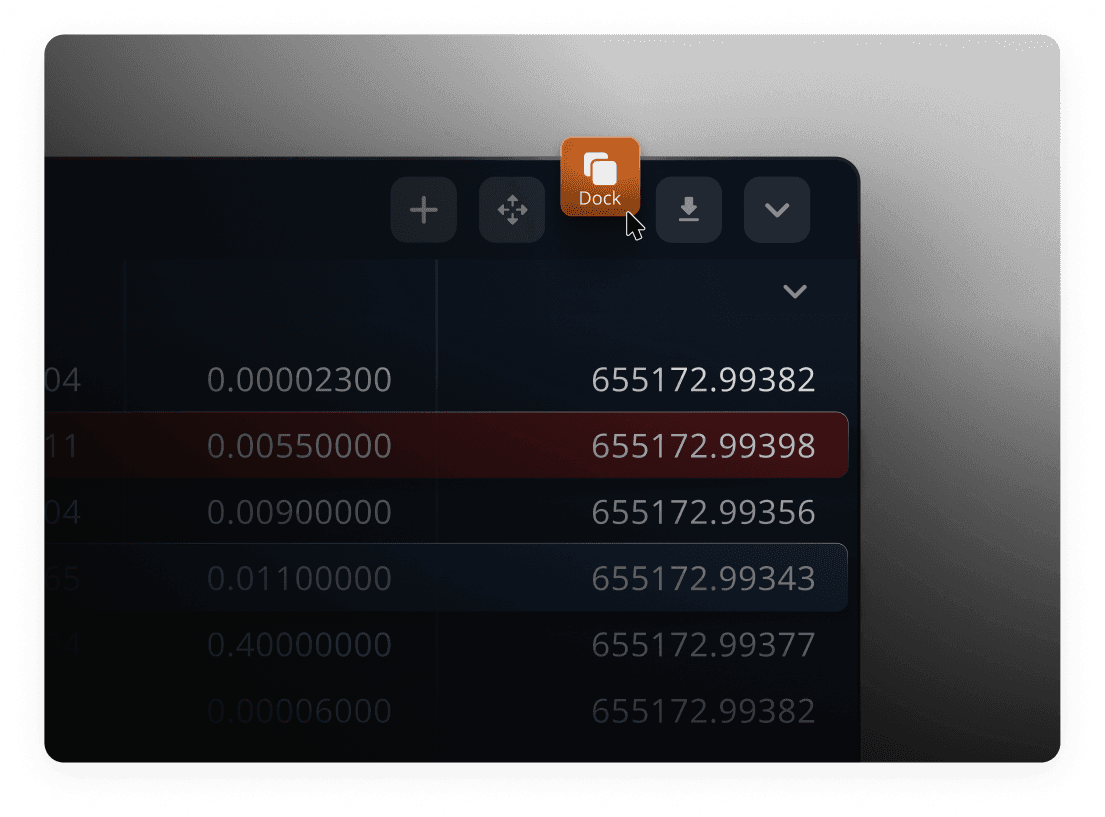
Hyper interactivity of parts
The concept of a network of tasks representing a full project with an expandable timeline to support.
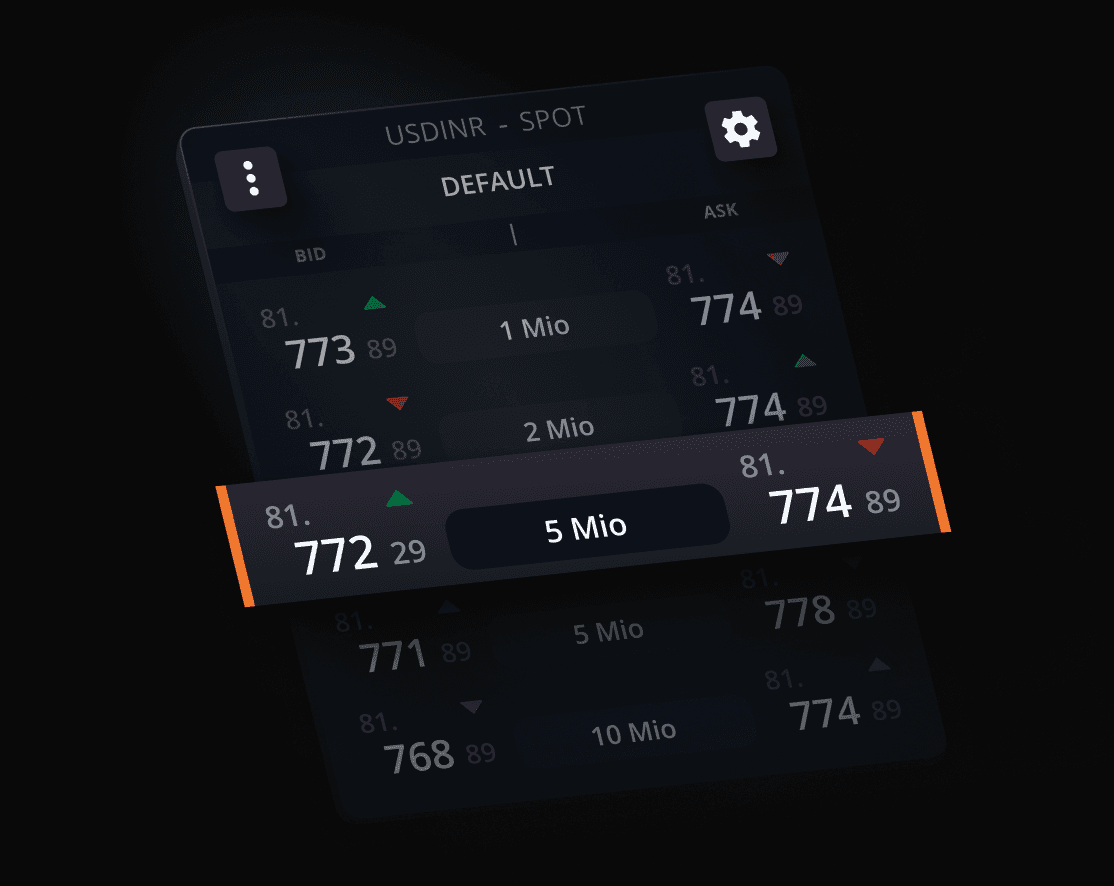
The product sat between a deeply technical system and a trader whose job was to make sense of dozens of fluctuating data streams, each with substructures of their own, and run a business on top of it.