TECHNOLOGY
11 MINS
Memories in the digital age
Back in the day, a single roll of film was enough to sum up a whole year. Now, just one trip takes up a thousand photos. The strange part is that while physical albums stay safe on the shelf, digital memories often get lost in switched phones and old SD cards.
This sense of loss got Hamsika Iyer, Product Designer at Canvs, thinking. In this piece, she talks about how saving memories has changed over the years.
It feels like we went from having too little to remember, to remembering everything by default. And somewhere along the way, it stopped feeling personal. The more the system remembers for us, the less connected we feel to any of it. Everything is a bit scattered, a bit automated. Maybe this is why people seem to be slowly drifting back to things they can actually hold.
It feels like we went from having too little to remember, to remembering everything by default. And somewhere along the way, it stopped feeling personal. The more the system remembers for us, the less connected we feel to any of it. Everything is a bit scattered, a bit automated. Maybe this is why people seem to be slowly drifting back to things they can actually hold.
Memories without effort
Memories without effort
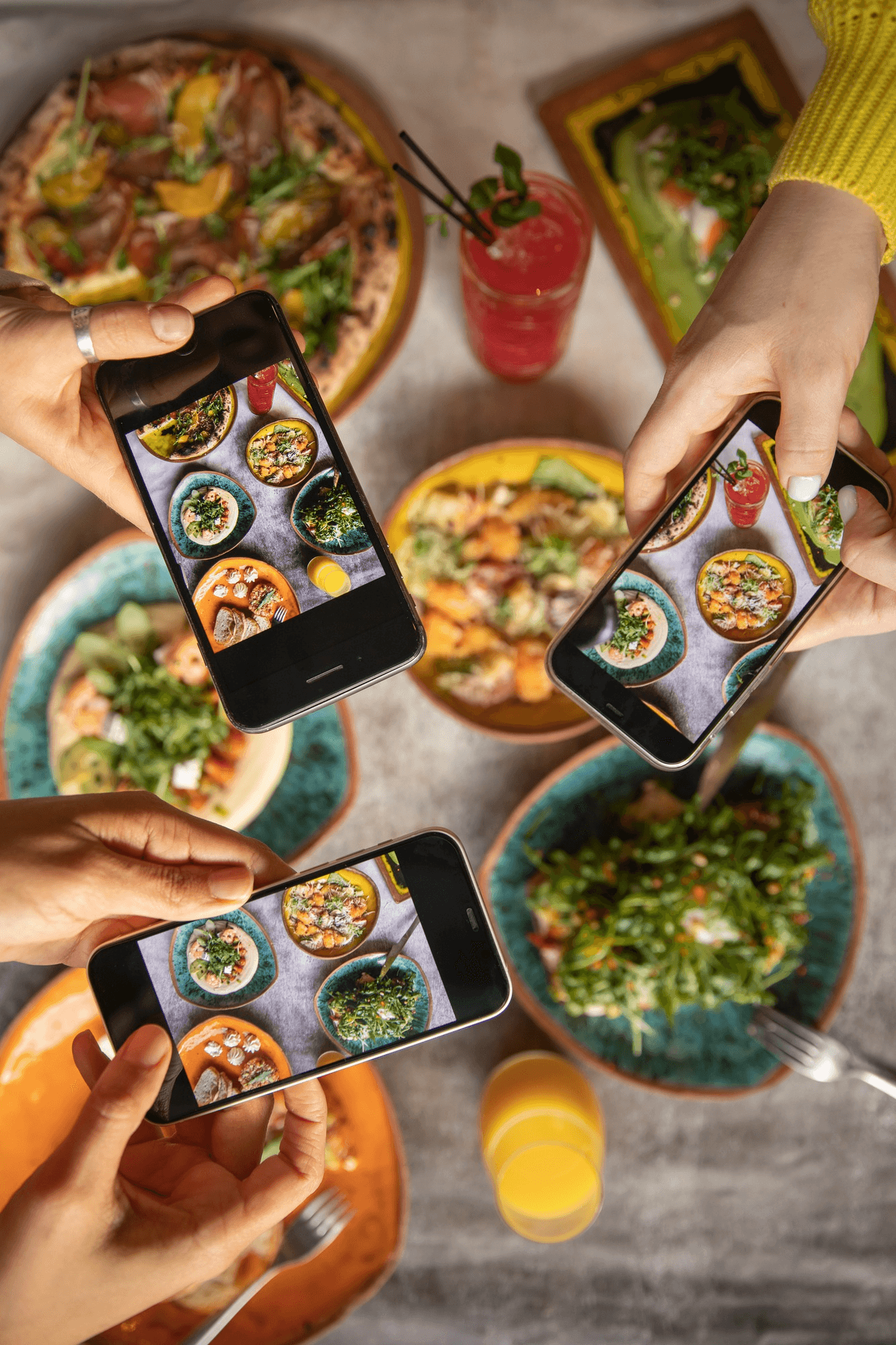
You go out for lunch with friends. The food arrives, and before anyone even gets a chance to pick up a spoon, the phones are already out. You move the plates, tissues, glasses, anything else that isn’t pretty enough to be in the frames is taken out. Then everyone starts taking photo after photo, small adjustments each time, just in case the last one wasn’t quite right.
It has become second nature now. Your hands take out the phone automatically, like it's a reflex, as if your brain is now wired to constantly look out for moments that need to be captured and shared, or else they wouldn’t exist. And before you even notice anything, there are 50 photos that all look almost the same. You don’t stop to frame them or decide if the photos are worth taking at all. You do it because that’s what everyone does. There’s no real decision anymore, just instinct.
You go out for lunch with friends. The food arrives, and before anyone even gets a chance to pick up a spoon, the phones are already out. You move the plates, tissues, glasses, anything else that isn’t pretty enough to be in the frames is taken out. Then everyone starts taking photo after photo, small adjustments each time, just in case the last one wasn’t quite right.
It has become second nature now. Your hands take out the phone automatically, like it's a reflex, as if your brain is now wired to constantly look out for moments that need to be captured and shared, or else they wouldn’t exist. And before you even notice anything, there are 50 photos that all look almost the same. You don’t stop to frame them or decide if the photos are worth taking at all. You do it because that’s what everyone does. There’s no real decision anymore, just instinct.
Source: Freepik
Source: Freepik
What used to be one photo has turned into a whole batch. One for the lighting, one where someone’s eyes are open, one that might look better in a story. You take more, just in case. It doesn’t cost anything, and maybe that’s part of it. You can take as many as you want, so you might as well.
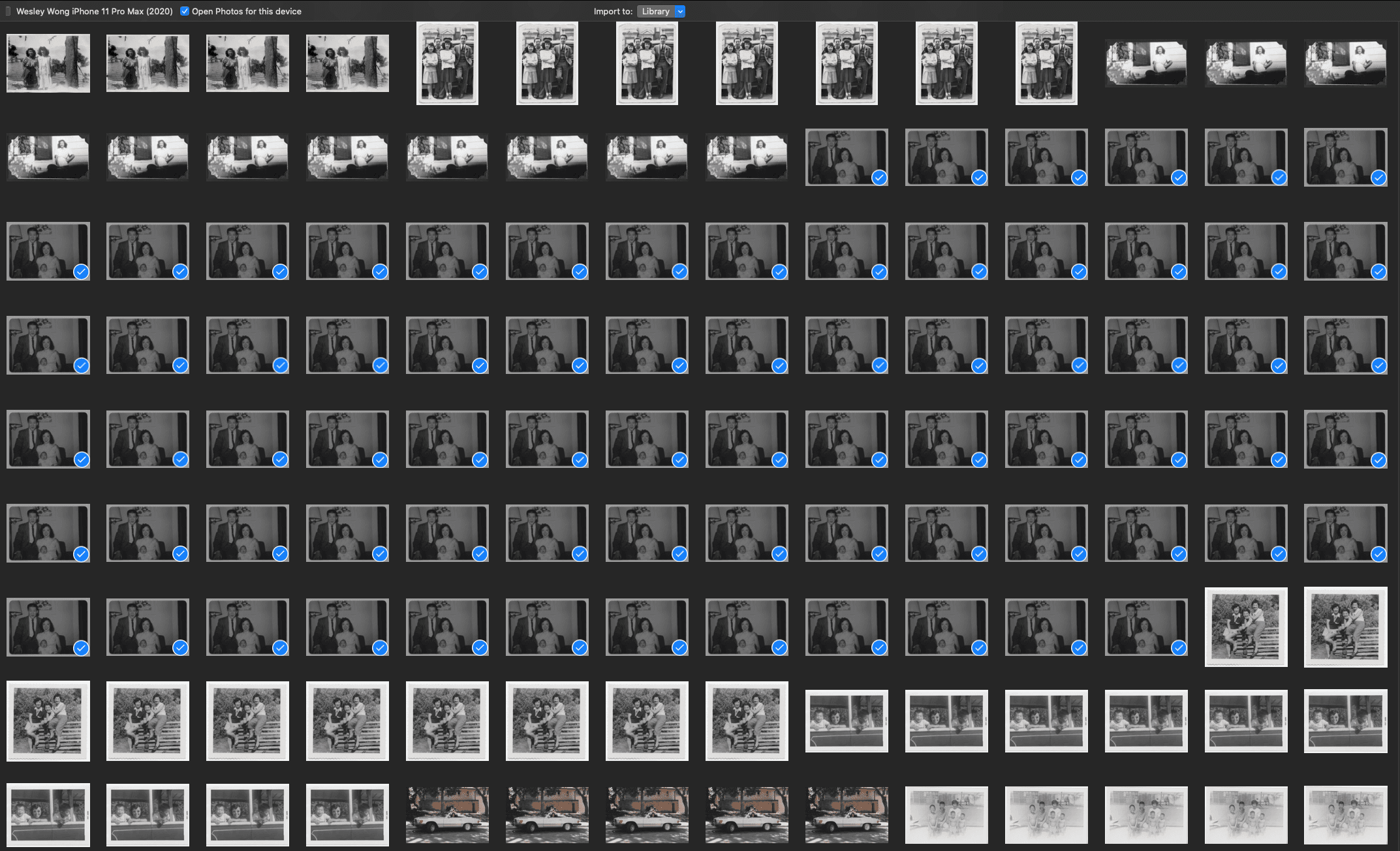
The effort isn’t in taking them anymore, it’s in sorting through them later, you scroll, zoom, compare small differences no one else would ever notice. You delete a few, keep a few, and send the best ones to your friends. It’s all so ordinary now that it doesn’t feel strange. Everyone does it. The camera roll fills up quietly in the background, full of versions of the same scene, same moment, most of which you’ll never look at again.
What used to be one photo has turned into a whole batch. One for the lighting, one where someone’s eyes are open, one that might look better in a story. You take more, just in case. It doesn’t cost anything, and maybe that’s part of it. You can take as many as you want, so you might as well.
The effort isn’t in taking them anymore, it’s in sorting through them later, you scroll, zoom, compare small differences no one else would ever notice. You delete a few, keep a few, and send the best ones to your friends. It’s all so ordinary now that it doesn’t feel strange. Everyone does it. The camera roll fills up quietly in the background, full of versions of the same scene, same moment, most of which you’ll never look at again.
Apple's Live Photos
Apple's Live Photos
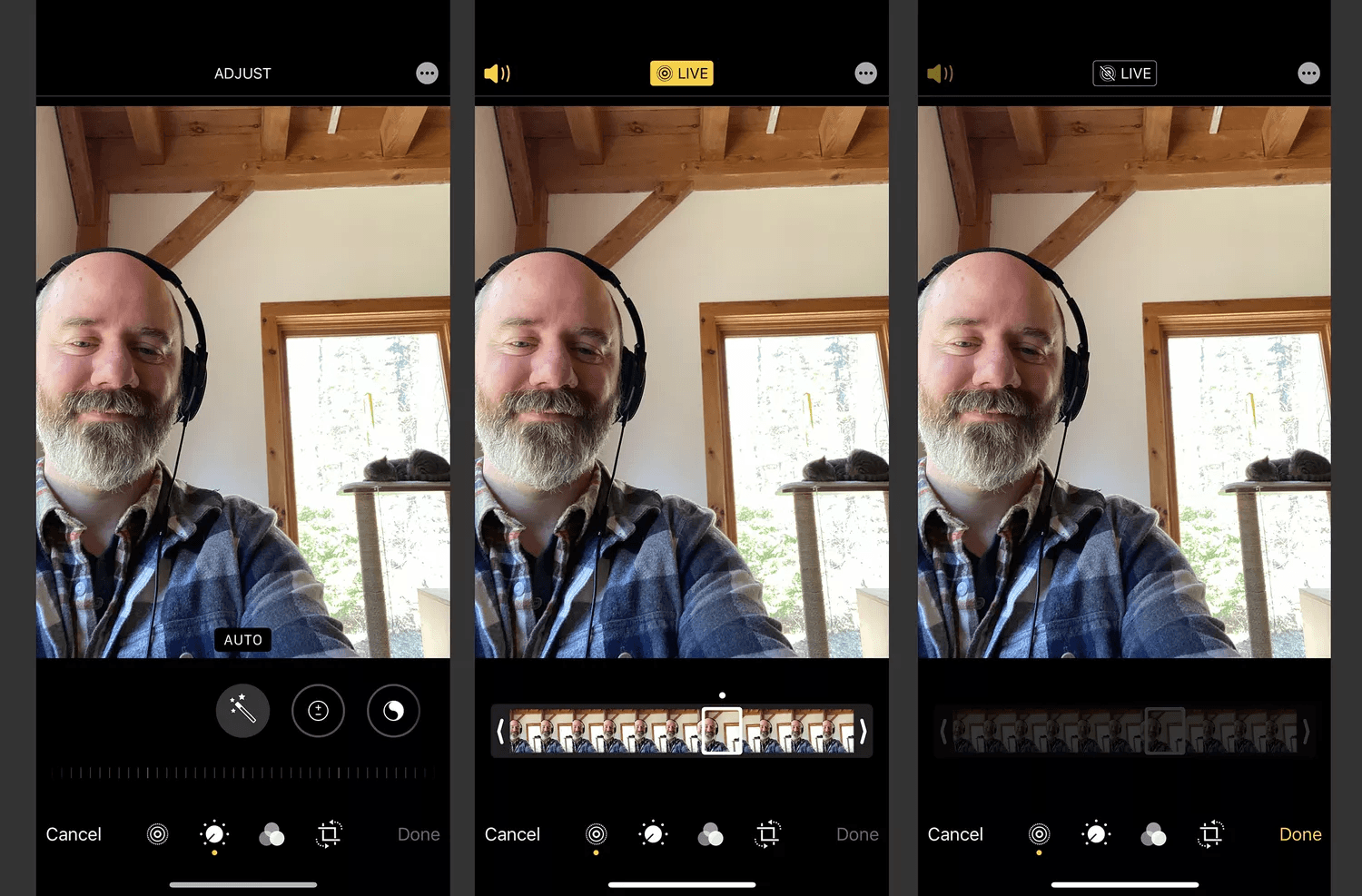
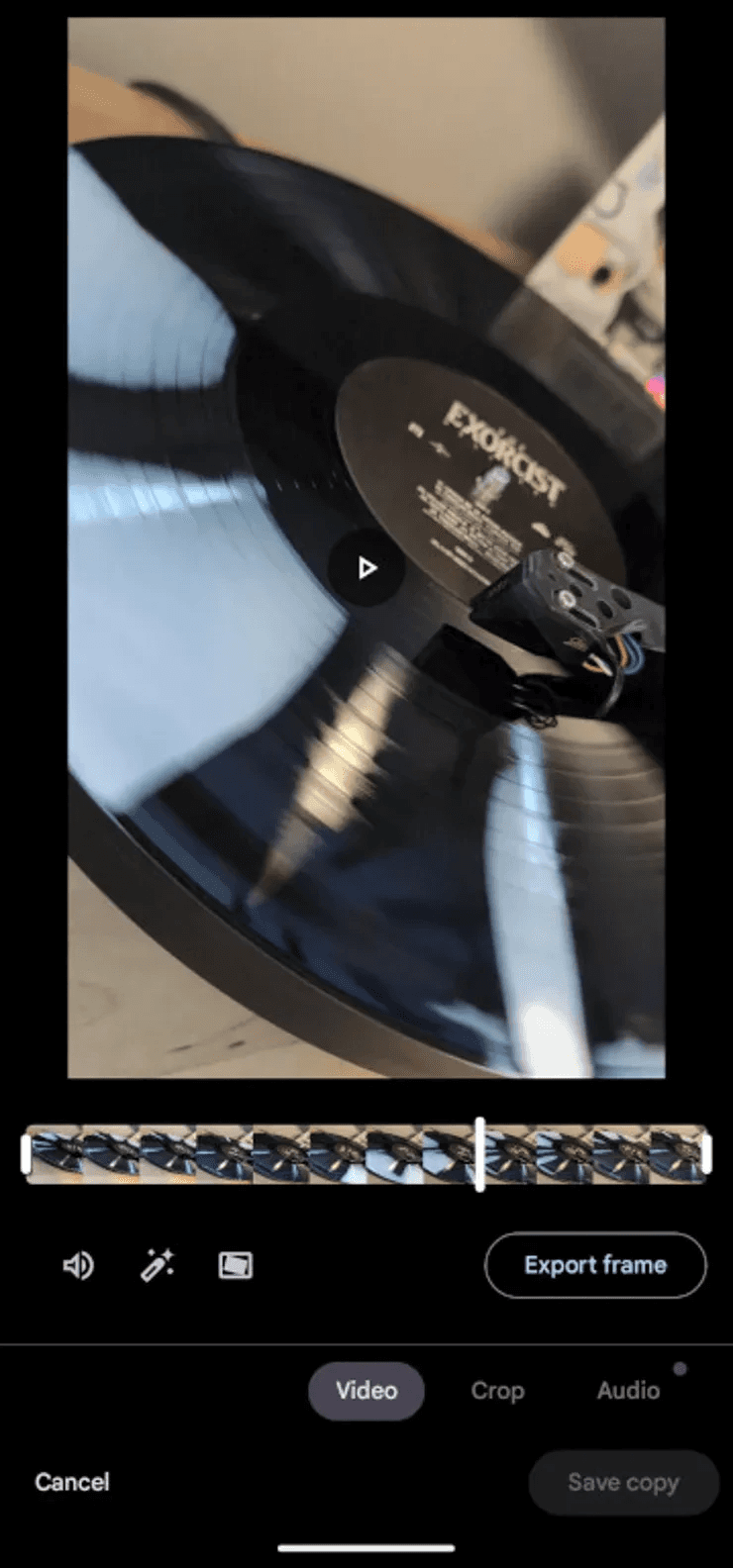
When apple introduced live photos in 2015, it kind of blurred the lines between a photo and a video. Each live photo quietly records a few seconds before and after the shutter, turning what used to be a single frame into a moving memory. It felt more real in some ways where you could see the half-smiles, the hands shifting, the small laughs that came right after posing. It somehow managed make the moment feel more alive.
When apple introduced live photos in 2015, it kind of blurred the lines between a photo and a video. Each live photo quietly records a few seconds before and after the shutter, turning what used to be a single frame into a moving memory. It felt more real in some ways where you could see the half-smiles, the hands shifting, the small laughs that came right after posing. It somehow managed make the moment feel more alive.
Google’s Top Shot on Pixel
Google’s Top Shot on Pixel
A few years later, Google took a different approach. With the Pixel 3, they came up with a feature called Top Shot. It didn’t try to capture movement or feelings, but rather precision. The camera quickly records several frames before and after you press shutter, and then recommends the one frame where it thinks everything looks just right. No blinks, no blur, no missed expressions from people who weren’t ready yet. It turned the act of taking photos into an act of correction, where perfection was prioritised over genuine moments.
A few years later, Google took a different approach. With the Pixel 3, they came up with a feature called Top Shot. It didn’t try to capture movement or feelings, but rather precision. The camera quickly records several frames before and after you press shutter, and then recommends the one frame where it thinks everything looks just right. No blinks, no blur, no missed expressions from people who weren’t ready yet. It turned the act of taking photos into an act of correction, where perfection was prioritised over genuine moments.
It’s strange how the reason behind taking photos has shifted. It used to be about remembering something. Now it’s about showing something. Proof that you were there, that the place looked nice, that it happened the way it should.
The photo has become the main event, and the moment itself almost feels like something you do for the sake of it. Maybe that’s why all the photos look so similar, even if they were taken by different people. They’re not really about the moment anymore, but more about making it look like a moment. The angle, the lighting, the expressions, are all small performances.
Somewhere along the way, the camera stopped being a way to hold on to something real and became a part of the performance itself. The photo has replaced the memory, or maybe it is the memory now. You remember the picture, not the thing that came before it.
It’s strange how the reason behind taking photos has shifted. It used to be about remembering something. Now it’s about showing something. Proof that you were there, that the place looked nice, that it happened the way it should.
The photo has become the main event, and the moment itself almost feels like something you do for the sake of it. Maybe that’s why all the photos look so similar, even if they were taken by different people. They’re not really about the moment anymore, but more about making it look like a moment. The angle, the lighting, the expressions, are all small performances.
Somewhere along the way, the camera stopped being a way to hold on to something real and became a part of the performance itself. The photo has replaced the memory, or maybe it is the memory now. You remember the picture, not the thing that came before it.
When people expect to have access to information later, they remember less of it themselves.
— Sparrow, Liu & Wegner from The Decision Lab
When people expect to have access to information later, they remember less of it themselves.
— Sparrow, Liu & Wegner from The Decision Lab
When memories took up space
When memories took up space
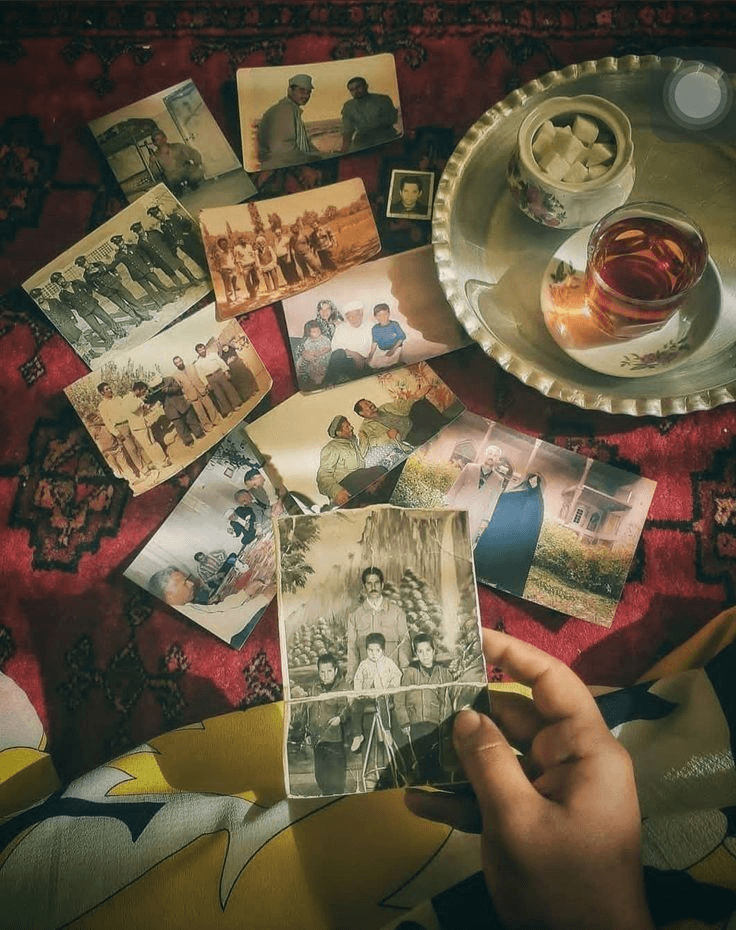
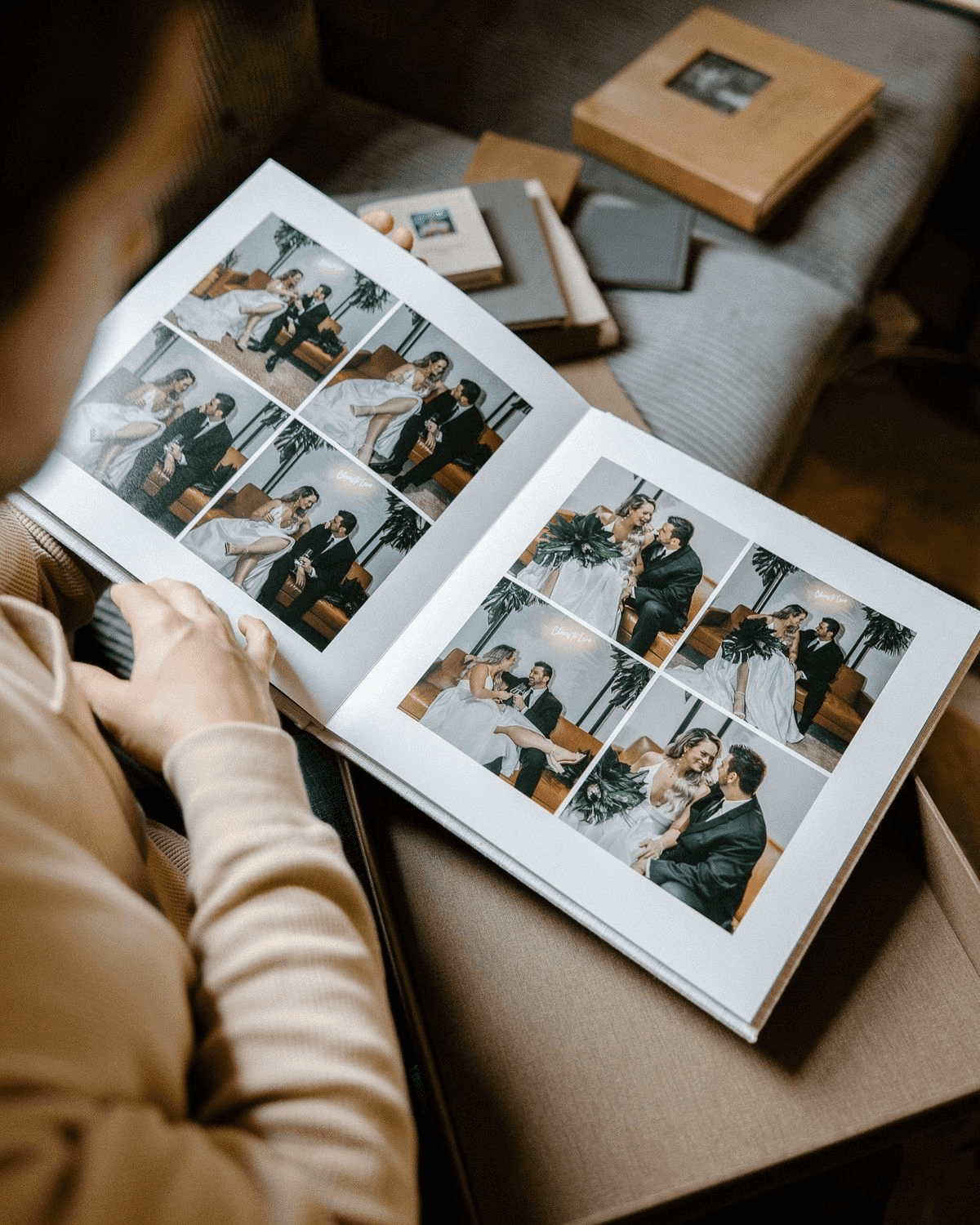
Before everything moved to screens, memories had a way of taking up space. They lived in things like albums, letters, and photos tucked into drawers or hidden between the pages of your favorite book. You could stumble across them years later, not because you were looking, but because they were simply there. The things you kept stayed close, part of the rooms you lived in.
Before everything moved to screens, memories had a way of taking up space. They lived in things like albums, letters, and photos tucked into drawers or hidden between the pages of your favorite book. You could stumble across them years later, not because you were looking, but because they were simply there. The things you kept stayed close, part of the rooms you lived in.
Source: Freepik
Source: Freepik
"There's something steady about the way objects remember for you."
"There's something steady about the way objects remember for you."
A photo sat in a shelf or in a box, gathering dust, soft around the edges. You could hold it, move it, or pass it around. It was proof that something had happened, not because it was shared, but because it had lasted. Even if you end up losing it one day, your body would still remember how that photo felt in your hands, how it smelled. It leaves a physical memory even after it stops existing.
There was a quiet kind of intention in taking photos physically. You had to choose what to keep because there wasn’t any room for everything. A roll of film gave you 24 chances, maybe 36, so each one mattered. The limits gave memory shape.
Now there’s no need to choose. Space has become almost infinitely expandable. Phones can hold thousands of moments without asking you to think about any of them. Maybe that’s what made older memories feel heavier; they were carried, not stored. They sat somewhere visible. part of your life, even when you weren’t thinking about them. There’s something steady about that, about the way objects remember for you. Small things that quietly insist that a moment really happened. The physical world held the past with you and aged beside you.
A photo sat in a shelf or in a box, gathering dust, soft around the edges. You could hold it, move it, or pass it around. It was proof that something had happened, not because it was shared, but because it had lasted. Even if you end up losing it one day, your body would still remember how that photo felt in your hands, how it smelled. It leaves a physical memory even after it stops existing.
There was a quiet kind of intention in taking photos physically. You had to choose what to keep because there wasn’t any room for everything. A roll of film gave you 24 chances, maybe 36, so each one mattered. The limits gave memory shape.
Now there’s no need to choose. Space has become almost infinitely expandable. Phones can hold thousands of moments without asking you to think about any of them. Maybe that’s what made older memories feel heavier; they were carried, not stored. They sat somewhere visible. part of your life, even when you weren’t thinking about them. There’s something steady about that, about the way objects remember for you. Small things that quietly insist that a moment really happened. The physical world held the past with you and aged beside you.
Source: Freepik
Source: Freepik
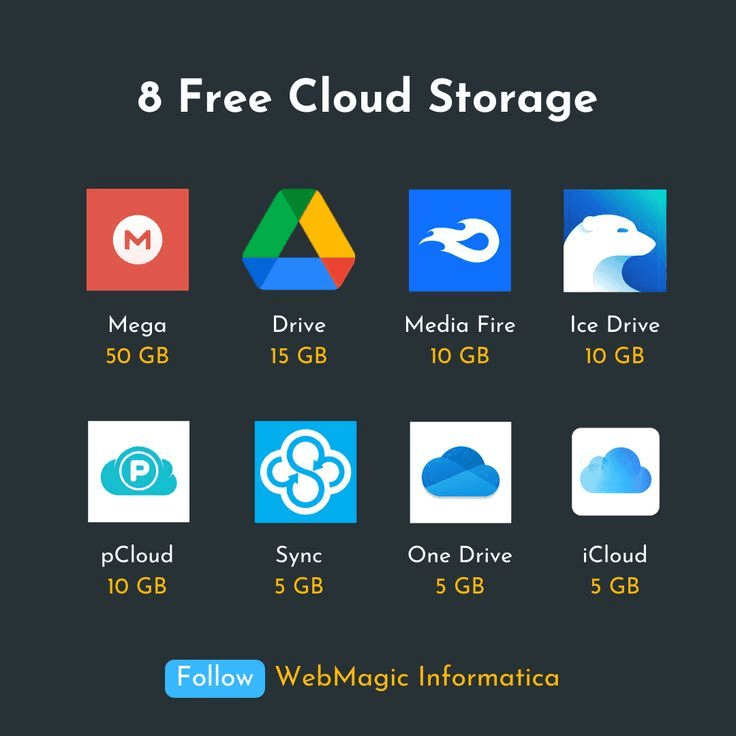
Here's a data storage price comparison of through decade of history.
Here's a data storage price comparison of through decade of history.
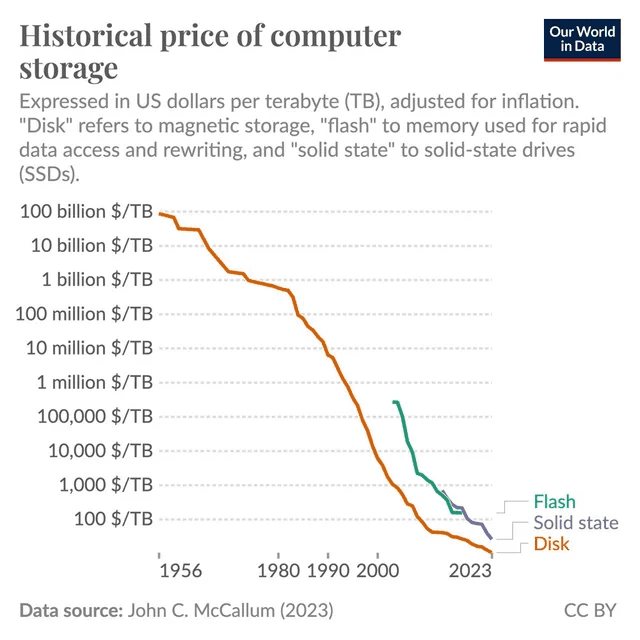
When remembering changed without us noticing
When remembering changed without us noticing
It didn’t happen suddenly; the way remembering changed. There wasn’t a moment you could point to. It just crept in. As if one day you just stopped thinking about what to save. The photos you took started piling up quietly, and somewhere along the way, keeping them stopped feeling like a decision. Everything was being remembered, even the things that didn’t really need to be.
It didn’t happen suddenly; the way remembering changed. There wasn’t a moment you could point to. It just crept in. As if one day you just stopped thinking about what to save. The photos you took started piling up quietly, and somewhere along the way, keeping them stopped feeling like a decision. Everything was being remembered, even the things that didn’t really need to be.
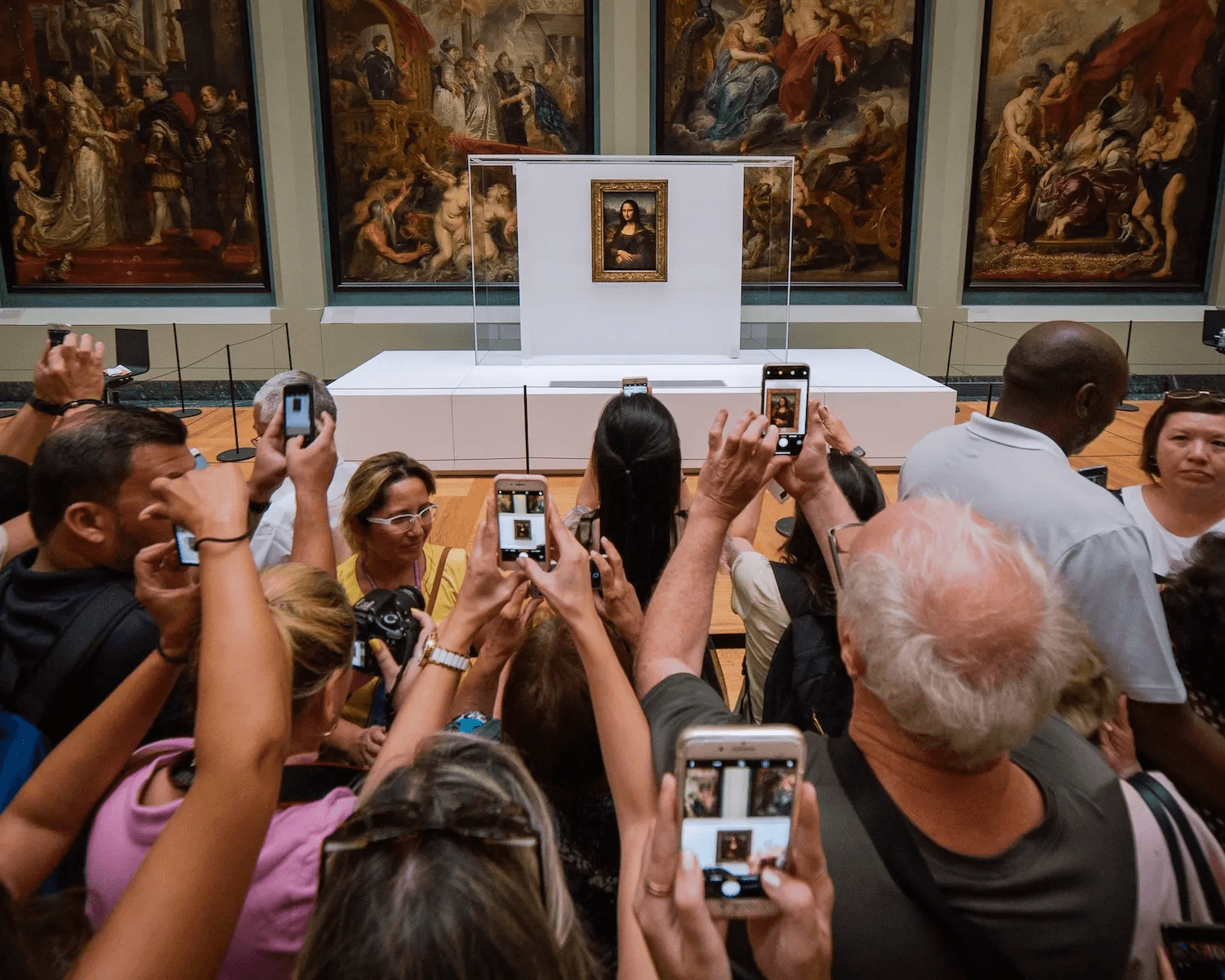
There’s a kind of comfort in that, knowing that nothing will be lost. But it also takes something away. When remembering happens automatically, it stops feeling like an act of care. You don’t sit down to look through things anymore; you just scroll past them. The past is still there if you ever want it, tucked neatly in a grid in a folder on your device. But somehow it feels further away.
Maybe that’s what changed the most. We got so good at keeping everything that we forgot what it means to choose.
There’s a kind of comfort in that, knowing that nothing will be lost. But it also takes something away. When remembering happens automatically, it stops feeling like an act of care. You don’t sit down to look through things anymore; you just scroll past them. The past is still there if you ever want it, tucked neatly in a grid in a folder on your device. But somehow it feels further away.
Maybe that’s what changed the most. We got so good at keeping everything that we forgot what it means to choose.
Psychologists call it the "photo-taking impairment effect," where the act of taking a photo offloads our memory onto the camera, so we remember less of the actual experience.
— Unplugged
Psychologists call it the "photo-taking impairment effect," where the act of taking a photo offloads our memory onto the camera, so we remember less of the actual experience.
— Unplugged
It went a step further after that. It wasn’t just that everything was being kept; now something else started deciding what was worth seeing again. The phone began reminding you of your own life. “On this day”, “A year ago”. “Remember this?” Little prompts that show up out of nowhere. Sometimes it’s nice, like a trip, a face, or something you’d forgotten. At other times, it feels wrong, as if it’s showing you something private that you weren’t ready to see again.
It went a step further after that. It wasn’t just that everything was being kept; now something else started deciding what was worth seeing again. The phone began reminding you of your own life. “On this day”, “A year ago”. “Remember this?” Little prompts that show up out of nowhere. Sometimes it’s nice, like a trip, a face, or something you’d forgotten. At other times, it feels wrong, as if it’s showing you something private that you weren’t ready to see again.
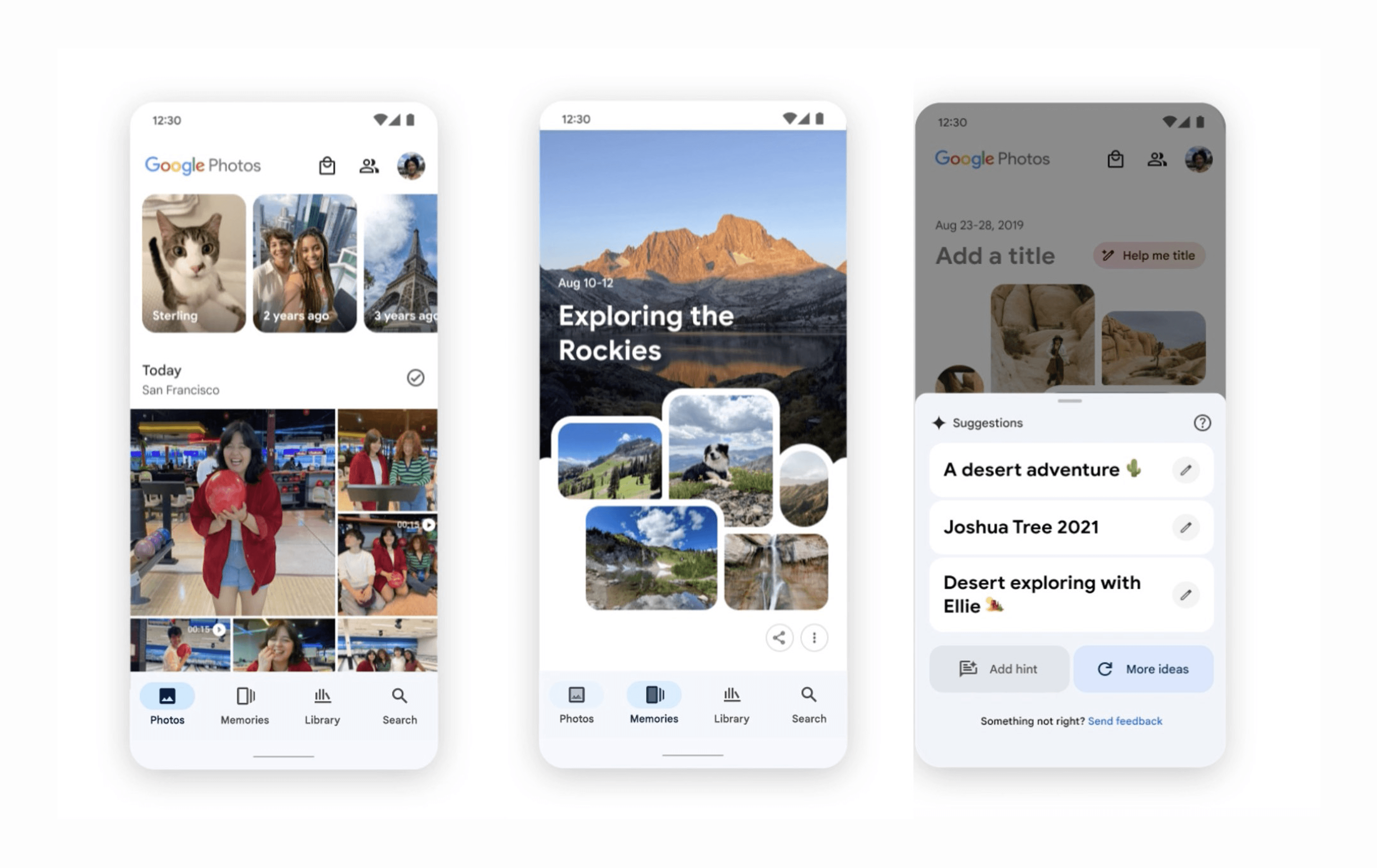
There is no real pattern to it. A bad week can start with a cheerful reminder from 5 years ago, a photo you might have avoided if it had been left in its place. The algorithm doesn’t understand context; it just moves by numbers: What you looked at the most, what people liked, and what stayed on a screen a little longer. It learns your history by watching your attention, not your memory or how you feel about it.
There is no real pattern to it. A bad week can start with a cheerful reminder from 5 years ago, a photo you might have avoided if it had been left in its place. The algorithm doesn’t understand context; it just moves by numbers: What you looked at the most, what people liked, and what stayed on a screen a little longer. It learns your history by watching your attention, not your memory or how you feel about it.
It’s not just photos, too; music apps resurface songs you used to play, social media pulls up posts you wrote, and even shopping sites quietly remind you of what you once wanted. The past comes back in fragments, scattered across platforms, each one with its own version of who you were.
It’s convenient, but also feels like someone else has started editing your story, choosing what to highlight and what to forget. It’s not malicious either, but rather just mechanical. The machine doesn’t care what something means; it only measures how much attention it gets, and over time, that logic starts to shape how you think about the memory itself. You start to see the past not by what mattered, but by what performed well.
It’s not just photos, too; music apps resurface songs you used to play, social media pulls up posts you wrote, and even shopping sites quietly remind you of what you once wanted. The past comes back in fragments, scattered across platforms, each one with its own version of who you were.
It’s convenient, but also feels like someone else has started editing your story, choosing what to highlight and what to forget. It’s not malicious either, but rather just mechanical. The machine doesn’t care what something means; it only measures how much attention it gets, and over time, that logic starts to shape how you think about the memory itself. You start to see the past not by what mattered, but by what performed well.
"The algorithm doesn’t understand context; it just moves by numbers: What you looked at the most, what people liked & what stayed on a screen a little longer."
"The algorithm doesn’t understand context; it just moves by numbers: What you looked at the most, what people liked & what stayed on a screen a little longer."
It's unsettling when you realise how natural it has become. These small interruptions slip into the day casually, as if it's just telling you about the weather. You get used to being reminded, and stop wondering why those specific moments appear, or who decided they were worth remembering.
The algorithm has taken over the small rituals that used to belong to you. The act of choosing, of looking back and deciding what should stay buried and what should return, is all now in the hands of people who build these algorithms.
It's unsettling when you realise how natural it has become. These small interruptions slip into the day casually, as if it's just telling you about the weather. You get used to being reminded, and stop wondering why those specific moments appear, or who decided they were worth remembering.
The algorithm has taken over the small rituals that used to belong to you. The act of choosing, of looking back and deciding what should stay buried and what should return, is all now in the hands of people who build these algorithms.
Fragmented identity
Fragmented identity
It's easy to forget how many versions of yourself exist online. There’s the one that posts updates for everyone to see, the one that’s meant only for a few close friends, the one that feels more like work than personality. Each space asks for something slightly different, so you learn to shift a little each time. The captions change, tone changes and even the kind of photos you share. It’s not pretending exactly, but it’s not the full picture either.
Over time, all these small and seemingly harmless adjustments start to feel normal. You don’t even notice that you are splitting yourself into pieces, one for every audience, every app. Each version leaves its own trail of memories. Together, they make something like a person. but never quite the whole thing.
It's easy to forget how many versions of yourself exist online. There’s the one that posts updates for everyone to see, the one that’s meant only for a few close friends, the one that feels more like work than personality. Each space asks for something slightly different, so you learn to shift a little each time. The captions change, tone changes and even the kind of photos you share. It’s not pretending exactly, but it’s not the full picture either.
Over time, all these small and seemingly harmless adjustments start to feel normal. You don’t even notice that you are splitting yourself into pieces, one for every audience, every app. Each version leaves its own trail of memories. Together, they make something like a person. but never quite the whole thing.
"It's easy to get caught up in so many versions of yourself that exist online."
"It's easy to get caught up in so many versions of yourself that exist online."
When you look back, it’s hard to know which version feels true. Each feed tells a slightly different story. You could post the same photo in two different apps with different captions, and now you have 2 different versions of the same memory, and both of them are somehow true and untrue.
It’s a strange kind of distortion, because it was real at the time, just incomplete. And when the platforms resurface those moments, they come without context. A photo meant for friends shows up next to the one that was carefully crafted for strangers. The lines blur.
When you look back, it’s hard to know which version feels true. Each feed tells a slightly different story. You could post the same photo in two different apps with different captions, and now you have 2 different versions of the same memory, and both of them are somehow true and untrue.
It’s a strange kind of distortion, because it was real at the time, just incomplete. And when the platforms resurface those moments, they come without context. A photo meant for friends shows up next to the one that was carefully crafted for strangers. The lines blur.
When remembering gets tiring
When remembering gets tiring
There’s a strange kind of heaviness that comes with having too much of yourself saved. Every photo, chat and playlist is there, easy to find, but hard to feel connected to. You scroll through years of your own life, and it all starts to look the same. The good parts, the boring parts, the parts that you’d rather forget, all sit together side by side. Nothing stands out anymore.
Maybe that’s what happens when you never get to lose things. Forgetting used to be natural. Now it takes effort. You have to delete, mute, unsubscribe, and archive. The tools that promised to help you remember also made it hard to move on. You can tear up a photo to forget something, and it’s lost forever. But if you delete a photo from your phone, you can easily go back to recover it from the trash or from a cloud backup.
Even the design of these products adds to it. Endless feeds, the clean layouts, infinite scrolls, they make everything look recent. Old things don’t look old anymore. The past has no texture. It’s like living inside a timeline that never ends.
There’s a strange kind of heaviness that comes with having too much of yourself saved. Every photo, chat and playlist is there, easy to find, but hard to feel connected to. You scroll through years of your own life, and it all starts to look the same. The good parts, the boring parts, the parts that you’d rather forget, all sit together side by side. Nothing stands out anymore.
Maybe that’s what happens when you never get to lose things. Forgetting used to be natural. Now it takes effort. You have to delete, mute, unsubscribe, and archive. The tools that promised to help you remember also made it hard to move on. You can tear up a photo to forget something, and it’s lost forever. But if you delete a photo from your phone, you can easily go back to recover it from the trash or from a cloud backup.
Even the design of these products adds to it. Endless feeds, the clean layouts, infinite scrolls, they make everything look recent. Old things don’t look old anymore. The past has no texture. It’s like living inside a timeline that never ends.
"The tools that promised to help you remember also made it hard to move on."
"The tools that promised to help you remember also made it hard to move on."
After a while, you stop trusting it. Not just the technology, but the memories themselves. You also know that most of it isn’t really yours in the first place. It belongs to whoever built the platform that holds it.
The tiredness comes from carrying all of that. People don’t usually say they’re tired of remembering, but you can feel it in the way they start to clean things out. Fewer photos, smaller playlists, fewer accounts. It’s a quiet attempt to make space again.
That’s probably why printed photos and film cameras are slowly coming back. Not out of nostalgia, but because people want something that asks for effort. Something that eventually runs out. Something that stays.
After a while, you stop trusting it. Not just the technology, but the memories themselves. You also know that most of it isn’t really yours in the first place. It belongs to whoever built the platform that holds it.
The tiredness comes from carrying all of that. People don’t usually say they’re tired of remembering, but you can feel it in the way they start to clean things out. Fewer photos, smaller playlists, fewer accounts. It’s a quiet attempt to make space again.
That’s probably why printed photos and film cameras are slowly coming back. Not out of nostalgia, but because people want something that asks for effort. Something that eventually runs out. Something that stays.
Return to the tangible
Return to the tangible
This is where it all circles back. After years of collecting, storing, and saving everything, people are starting to want things that lasts in a different way. Not the kind that stays perfect forever, but the kind that changes with time. The ones that get scratches, folds, and marks to show you’ve lived with them.
This is where it all circles back. After years of collecting, storing, and saving everything, people are starting to want things that lasts in a different way. Not the kind that stays perfect forever, but the kind that changes with time. The ones that get scratches, folds, and marks to show you’ve lived with them.
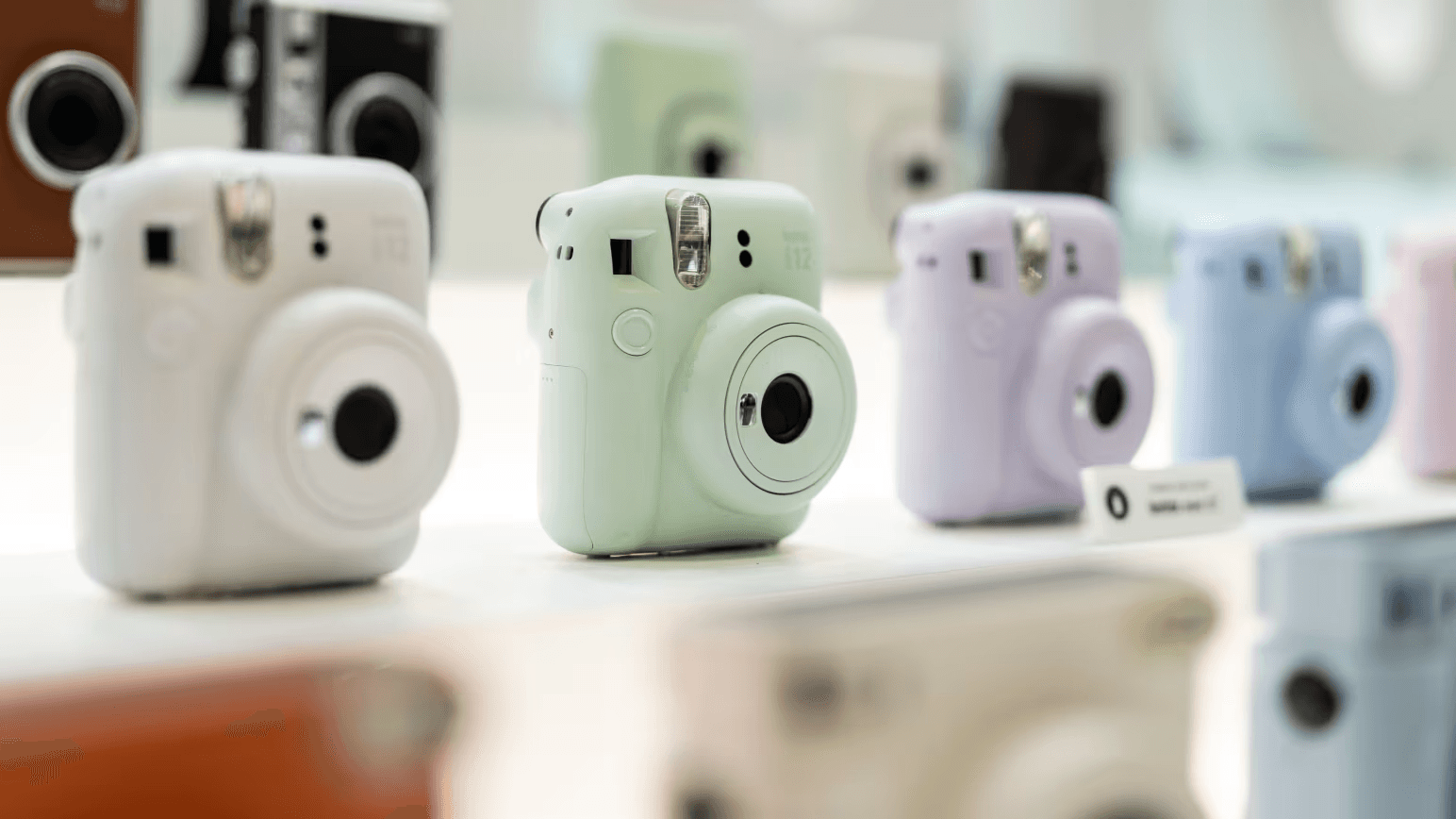
You can see this happening everywhere. People are picking up film cameras again. They’re printing photos, collecting physical books, and handwriting notes. It’s not about going backwards. It’s about wanting to feel connected to something real. Even new products seem to understand this.
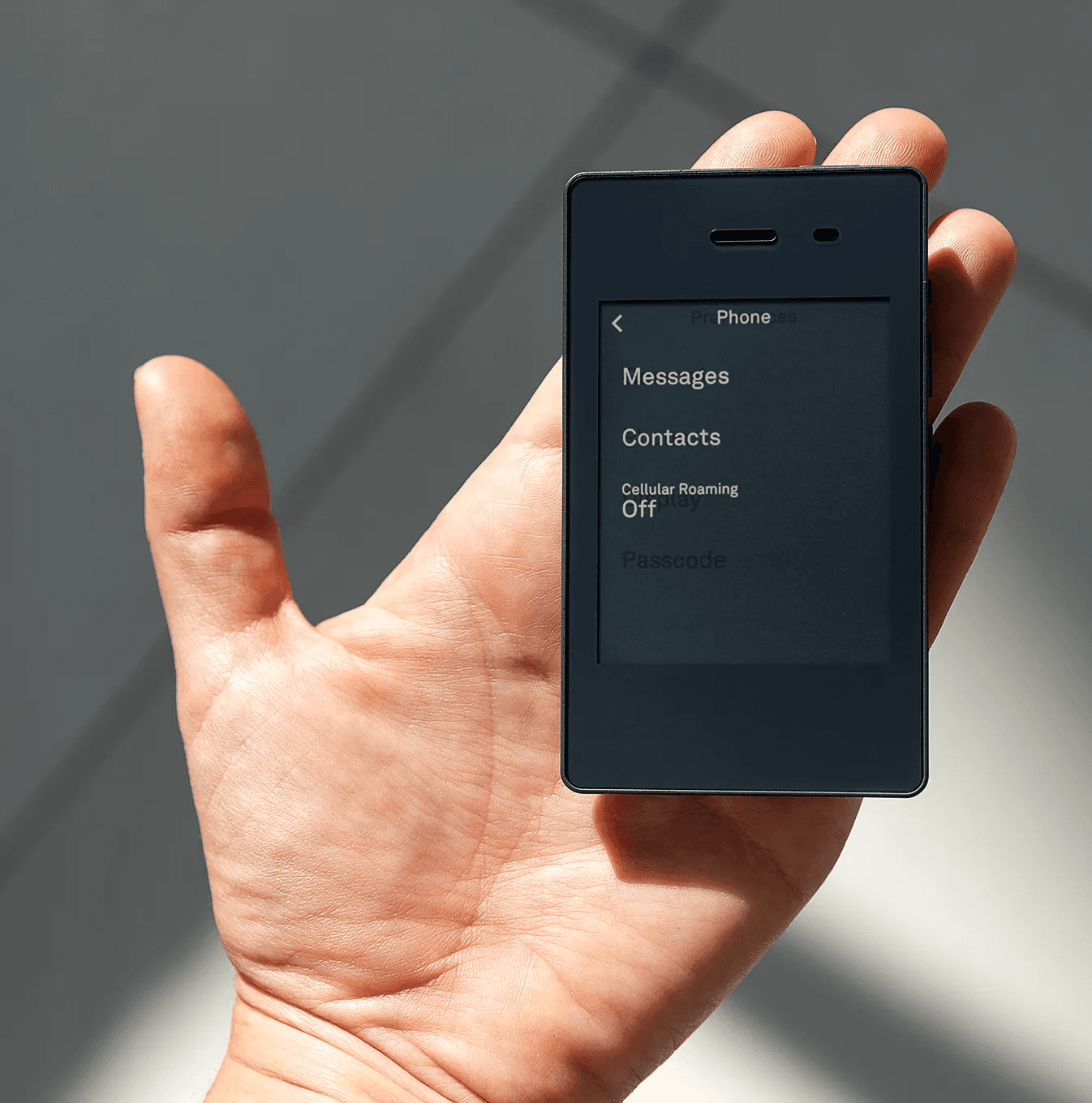
Polaroid cameras are back. Journaling apps are built to feel slower and more personal. Devices like the Light Phone or reMarkable are made to do less, not more. They’re small reminders that maybe the problem isn’t how much we remember, but how easily we do it.
Design is slowly shifting, too. More products are starting to embrace limits, or at least mimic them. Some photo apps now let you take a set number of shots a day. Some phones are adding “focus” modes that give you less to look at, not more. There’s a new appreciation for things that ask for effort. It’s a reaction to years of infinite feeds and instant access. When something takes time or choice, it feels like it means more.
You can see this happening everywhere. People are picking up film cameras again. They’re printing photos, collecting physical books, and handwriting notes. It’s not about going backwards. It’s about wanting to feel connected to something real. Even new products seem to understand this.
Polaroid cameras are back. Journaling apps are built to feel slower and more personal. Devices like the Light Phone or reMarkable are made to do less, not more. They’re small reminders that maybe the problem isn’t how much we remember, but how easily we do it.
Design is slowly shifting, too. More products are starting to embrace limits, or at least mimic them. Some photo apps now let you take a set number of shots a day. Some phones are adding “focus” modes that give you less to look at, not more. There’s a new appreciation for things that ask for effort. It’s a reaction to years of infinite feeds and instant access. When something takes time or choice, it feels like it means more.
The ‘boring phone’: stressed-out gen Z ditch smartphones for dumbphones.
— The Guardian
The ‘boring phone’: stressed-out gen Z ditch smartphones for dumbphones.
— The Guardian
Maybe this is what people are reaching for without really saying it. Not a rejection of technology, but a search for balance. A way to make digital life feel a little more human again. Something that reminds you that memory isn’t supposed to be endless or perfect. It’s supposed to have limits. It’s supposed to fade a little, so what stays can matter.
In the end, this quiet shift isn’t really about nostalgia. It’s about trying to bring back a sense of care. Products and objects that make you slow down, that make you feel the moment while you’re still in it. Things that stay not because they’re saved, but because they’re held.
Maybe this is what people are reaching for without really saying it. Not a rejection of technology, but a search for balance. A way to make digital life feel a little more human again. Something that reminds you that memory isn’t supposed to be endless or perfect. It’s supposed to have limits. It’s supposed to fade a little, so what stays can matter.
In the end, this quiet shift isn’t really about nostalgia. It’s about trying to bring back a sense of care. Products and objects that make you slow down, that make you feel the moment while you’re still in it. Things that stay not because they’re saved, but because they’re held.