Design systems

built to ship

Design systems have always been about creating consistency at scale. We take that thinking further by building a system in design and carrying it into production. What ships is what was designed.

Corner focus marker
Corner focus marker
Abstract blurred gradient background with flowing red, pink, and teal tones.
  • CRAFT

  • SYSTEMS

  • PRECISION

  • COHERENCE

  • SCALE

  • STRUCTURE

  • BEHAVIOUR

  • MOTION

  • ACCESS

  • EVOLUTION

  • quality

WHY DESIGN SYSTEMS

WHY DESIGN SYSTEMS

01

A growing product accumulates decisions. Without a system to connect them, those decisions begin to diverge. Each interaction or micro-decision ends up having a different patterns and interpretations of the same interaction.

Over time, a product starts to lose it's coherence. Designers spend more time solving problems that are already solved, and every new request adds complexity. A design system turns all of it into a shared language.

Consistency

does not happen by accident.

WHAT MAKES A DESIGN SYSTEM

WHAT MAKES A DESIGN SYSTEM

02

The architecture

behind the

systems

Establishes the visual language of the product. Colours, typeography, spacing, grids, and the principles that connect them.

Foundations

01

Primitives

02

Components

03

Patterns and Widgets

04

Documentation and Governance

05

Establishes the visual language of the product. Colours, typeography, spacing, grids, and the principles that connect them.

Foundations

01

Primitives

02

Components

03

Patterns and Widgets

04

Documentation and Governance

05

Close-up of two poppy flowers with detailed petal veins against a vibrant red background.

DESIGN SYSTEMS IN PRACTICE

WRITING AS A REASONING DEVICE

03

Built and scaled for companies that ship.

Take a look at how we've built systems that support growing teams, expanding product surfaces and the complexity that comes with shipping at scale.

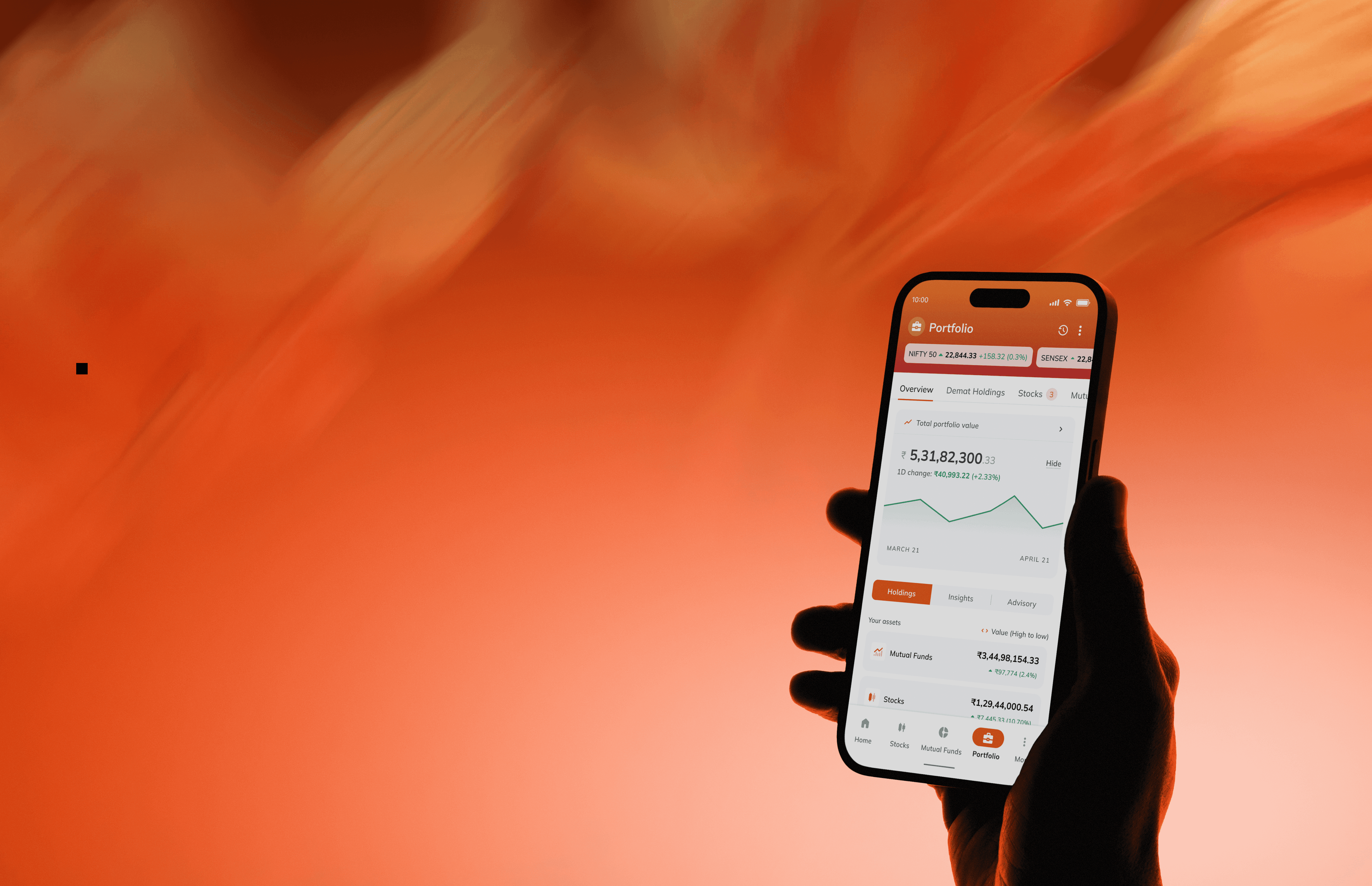
ICICI Bank Logo

ICICI BANK

Design a multi-surface design system for India's 2nd largest private bank
ABCD App icon

ABCD

Design a multi-surface design system for India's 2nd largest private bank

Corner focus marker

04 // HOW WE DO IT

Design systems that are

We can build in days what once took months. Internal tooling lets us move quickly from foundational decisions to a working design system, from tokens and primitives through to components and patterns. The same process can carry the system into production, or stop at Figma when that is all a team needs.

Speed does not come at the expense of craft. It comes from removing work that no longer needs to be done by hand, giving us more room to focus on the decisions that matter. Here’s how we do it.

04 // HOW WE DO IT

Design systems that are

We can build in days what once took months. Internal tooling lets us move quickly from foundational decisions to a working design system, from tokens and primitives through to components and patterns. The same process can carry the system into production, or stop at Figma when that is all a team needs.

Speed does not come at the expense of craft. It comes from removing work that no longer needs to be done by hand, giving us more room to focus on the decisions that matter. Here’s how we do it.

[01]

Our proprietary tooling makes system setup dramatically faster.

Type scales, colour ramps and tokens that once took hours to establish can now be generated and brought directly into Figma in a few clicks. It gives us a structured foundation before design begins, without the manual overhead.

Corner focus marker

[02]

We keep design hand-crafted in Figma, while agents accelerate the process.

With the foundations in place, we design in Figma as usual. Agents handle the work around components, variants and system maintenance, letting us stay focused on the experience while the system stays structured underneath.

Corner focus marker

[03]

Agentic workflows carry the system from Figma into production.

When a component is ready for development, our workflows pick it up and begin building its production counterpart. This keeps implementation closely connected to the system as it evolves, without creating another layer of handoff.

Corner focus marker

03 | WHAT WE OFFER

Systems thinking

03 | WHAT WE OFFER

Systems from foundation to production

A systems-first approach in the world of UI

We build and evolve design systems across the full product lifecycle, from foundational decisions and component architecture to production implementation, governance and ongoing evolution.

Custom design systems

We build scalable systems around your product, from foundations and tokens to components, patterns and documentation. Designed around how your teams work and built to evolve with the product.

Vi Fit app challenge details screen showing a "Walk-a-thon to win an iPhone!" challenge

Production-ready code

We carry the system from Figma into your frontend stack, using AI to accelerate implementation while our in-house engineers provide the structure, review and guardrails needed for production.

Insurance promotions, and brand reward offers from Myntra, Beardo, and Swiggy

Coaching & enablement

We work alongside your teams to establish workflows, share our practices and build confidence in the system. So your designers and engineers can use, maintain and extend it themselves.

Vi Fit app home screen for user, showing steps walked at Level 2, an activity log, and upcoming challenges.

Evolution & maintenance

A design system needs to evolve with the product. We help teams extend, refine and maintain the system as new products, patterns and technologies emerge, keeping it coherent as it grows.
A collection of Vi Fit achievement badges and challenge rewards displayed on a dark background
11:24Detailed black and white macro photograph of a ginkgo leaf with dashed border and section marker

Using AI is only as good as the guardrails around it.

Using AI is only as good as the guardrails around it.

//03

Craft, judgement and decisions come with us. AI is simply a tool we use to accelerate how far we can take them. It reduces the distance between the idea and the output, and helps us move the past the existing and dated goalpost.

We treat product design as a 0→1 journey, shaping features, planning rollouts, and refining technical finish. Every choice we make, from navigation to IA and user flows, ties directly to product strategy.

We treat product design as a 0→1 journey, shaping features, planning rollouts, and refining technical finish. Every choice we make, from navigation to IA and user flows, ties directly to product strategy.

Our in-house engineering team, internal tooling and structured workflows give AI the context and constraints it needs to be useful. The result isn’t AI replacing the process, but AI extending what the process can achieve.

And we don’t wait for that strategy; we build it with you through roadmaps, business cases, case studies, and clear approach notes.

Connect to Content

Add layers or components to swipe between.

Inverted diamond focus marker

In-house engineering keeps the work grounded

Our designers work alongside an in-house engineering team that defines the guardrails, reviews implementations and supports the workflows behind them. AI accelerates the work, but architecture, quality and production standards remain deliberate.

Inverted diamond focus marker

Internal tooling makes the system easier to build.

We’ve built our own tooling to turn design decisions into structured systems, from type scales and colour to tokens and foundations. It gives our team a faster, more consistent way to establish the rules that shape the system before components and interfaces are built.

And we don’t wait for that strategy; we build it with you through roadmaps, business cases, case studies, and clear approach notes.

Broad brush strokes on a canvas

Build things that last

We work on serious products and partner with teams who think long-term. If that sounds like you, we should talk

We work on serious products and partner with teams who think long-term. If that sounds like you, we should talk.

Broad brush strokes on a canvas

Build things that last

We work on serious products and partner with teams who think long-term. If that sounds like you, we should talk

Our in-house engineering team, internal tooling and structured workflows give AI the context and constraints it needs to be useful. The result isn’t AI replacing the process, but AI extending what the process can achieve.