It's issue #281 of DNT Weekly and as per usual the week has been eventful. Here's what we've been reading of late.
Nvidia announced Monday it plans to invest up to $100 billion in OpenAI as part of a deal to build out massive data centers for training and running AI models. The companies say they signed a letter of intent to deploy 10 gigawatts — enough to power millions of homes — worth of Nvidia systems to power OpenAI’s next generation of AI infrastructure. Read all about it here.
Note: If you are new here, we'd strongly recommend subscribing to the newsletter so you don't miss out on the future updates. You can subscribe here.
In recent years, a growing number of design studios have been juggling client work while actively shaping cultural discourse – hosting podcasts, launching talk series, and even staging full-blown festivals. By choosing to amplify their values through their self-initiated platforms, they’re blurring the lines between maker and curator.
Temporal design: UX that adapts over time and use patterns
Interfaces that stay rigid soon feel outdated, frustrating, or irrelevant. But those that adapt to user behavior, preferences, and even context over time, those are the ones that create trust, delight, and loyalty. This is what we call Temporal Design.
Designing with psychology to make products stick
Product design has a lot to do with psychology. It’s less about how people should behave and more about how they actually do. In this piece, we’re sharing some principles that can be useful to keep in mind.
The first viable AI designed phages
A new paper shows that a generative AI model can design viable bacteriophages.
The productivity paradox: why AI won’t speed up creative work
AI tools were meant to automate the boring bits and free up time for meaningful work. Instead, creatives speak of endless iterations, escalating client demands and entirely new categories of digital drudgery. Are we thinking about AI’s place in the creative process all wrong?
This piece unpacks why the world’s hottest AI-chip company just wrote a $5 billion cheque to a wounded rival, and what this uneasy alliance really fixes (and doesn’t).
✨ Product find of the week
Elephas: AI-powered knowledge assistant for Mac
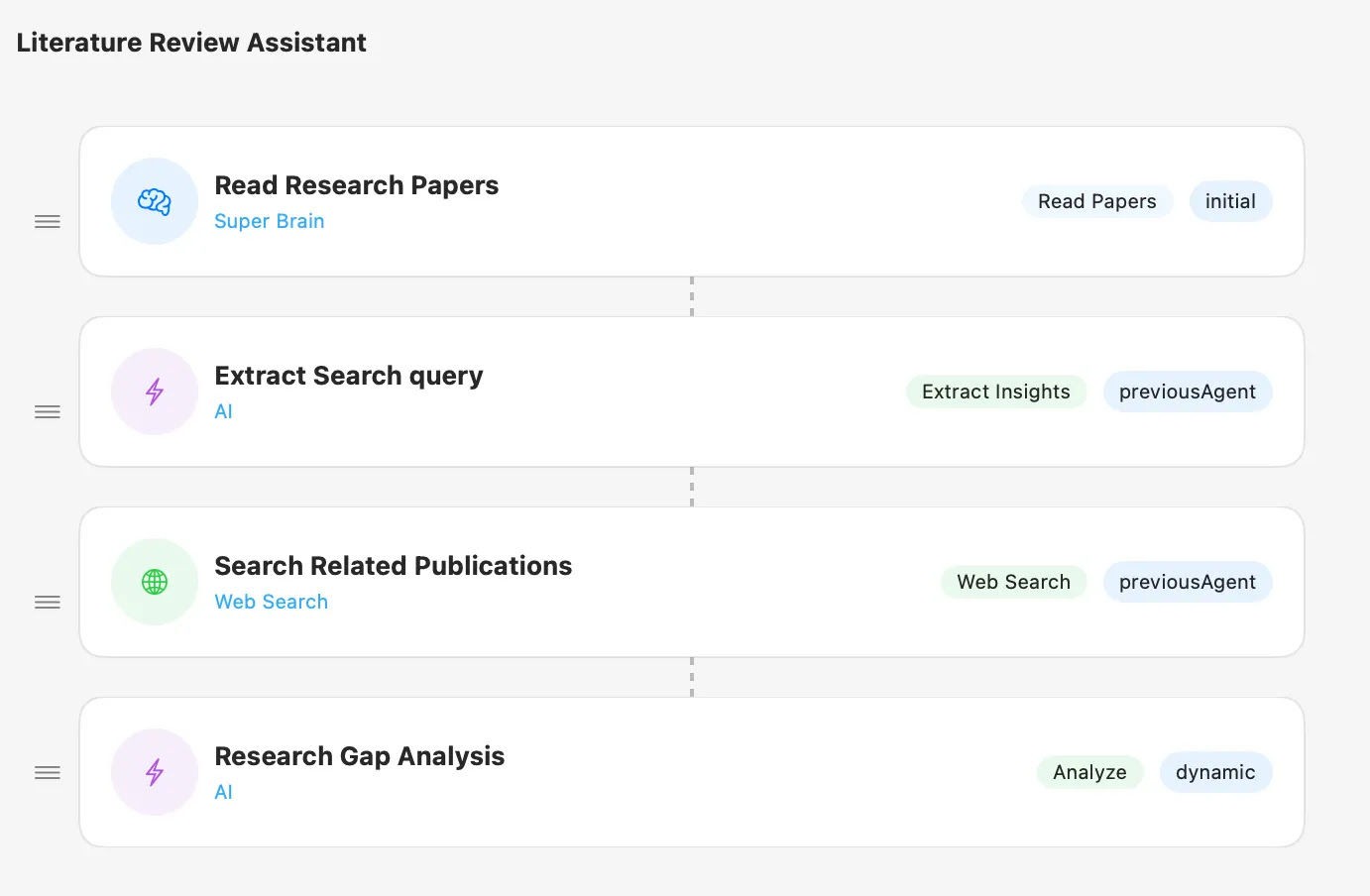
Elephas turns your Mac's documents and notes into a personal knowledge base you can query anytime. It delivers precise answers with source references, all while keeping your data private. It’s like having ChatGPT trained on your own information.
📰 In other news
OpenPoke: Recreating Poke's architecture
“Do we still believe in purpose-driven brands?”
What designers can learn from the first interface — the human face
Ford’s radically new way to make cars
Special mentions this week
Meta announced a new version of its smart glasses
YouTube thinks AI is its next big bang
And that's the lot! Thanks for checking out what we had to share with you this week, we shall catch up with you next Wednesday. Incase you aren't subscribed to the newsletter, you could subscribe here.
Also, please do let your friends know about D&T if they'd be interested! Canvs Club