Hi there, This is the twenty third edition of D&T Special, a more in-depth view of topics that interest the Canvs team. Today's topic - India's crackdown on dark patterns in digital products. We hope you enjoy this riveting topic we explored.
Note: If you are new here, we'd strongly recommend subscribing to the newsletter so you don't miss out on future updates. You can subscribe here.
✍️ From the Canvs Research & Editorial Desk
The Indian government recently established guidelines to ban dark patterns in India. These guidelines are made to address underhand practices in digital design. These rules aim to protect consumers from misleading tactics encountered online.
With dark patterns banned in India, let’s dive into what these deceptive design tactics are and why the government had to step in.
Dark Patterns are now illegal in India
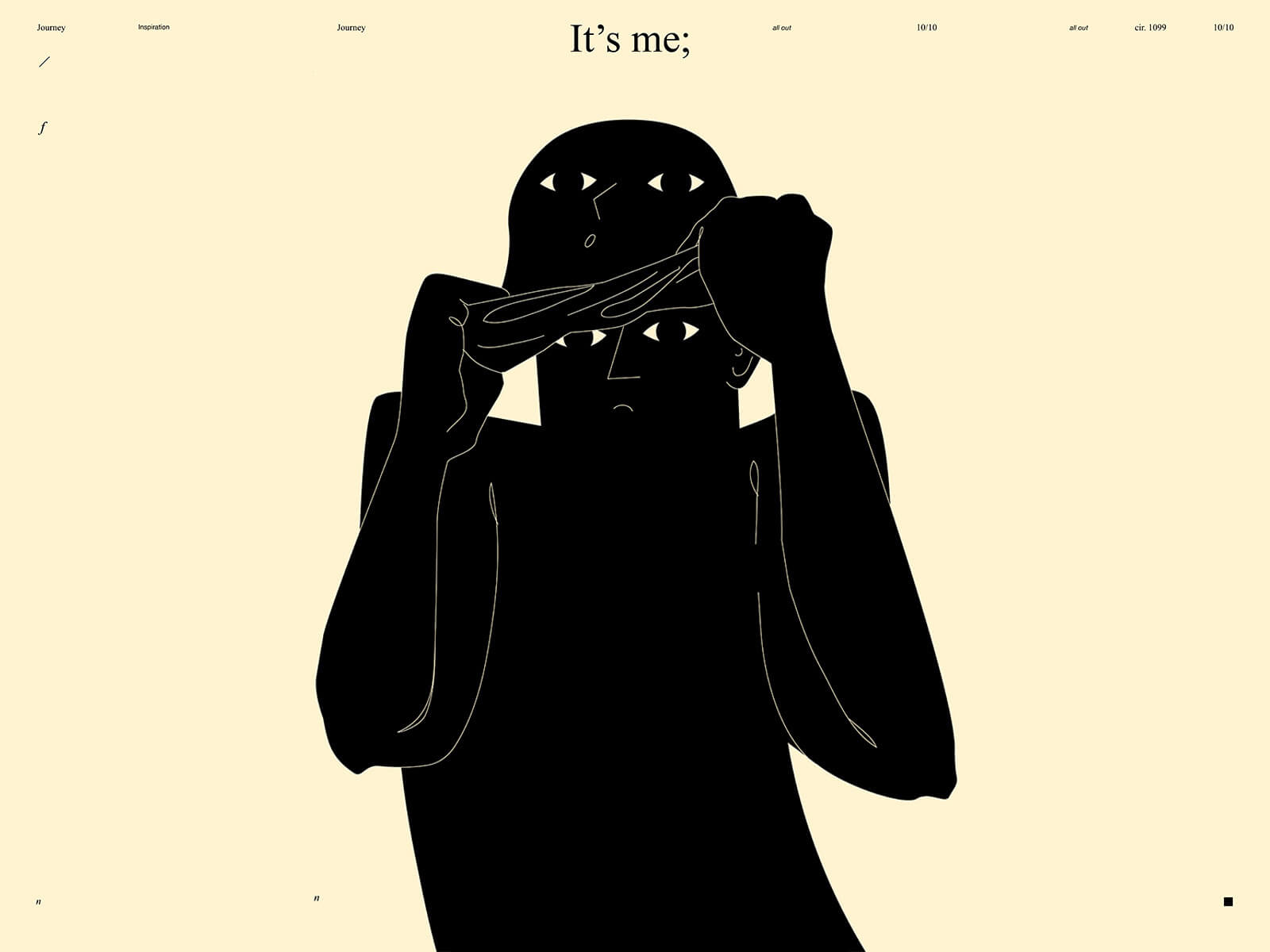
Dark patterns are misleading tricks in website and app designs that lead users to make unintended choices, like unwanted purchases or sharing personal data.
These designs cleverly exploit psychological principles to influence user actions. They create an environment where users often end up agreeing to things they didn’t mean to, simply because the way choices are presented makes it difficult to choose otherwise.
This move by the government wasn’t just a routine regulation; it was a response to a growing problem that had a real impact on people’s wallets and trust in digital platforms. The intervention highlights not just the prevalence of these unethical practices but also the scale of their impact on consumers.
### Some examples of dark patterns the government focused on:
#### 1. False Urgency:
Online sellers create a sense of urgency with claims like ‘limited time offer’ or ‘only a few left’, pushing customers to buy quickly without much thought.
#### 2. Basket Sneaking:
Additional items/services get added to your online shopping cart by the seller without your explicit approval, often leading to unexpected costs.
#### 3. Confirm shaming:
Sellers use guilt or shame, suggesting you’re making a poor choice, to convince you to subscribe to services or make purchases you didn’t initially want.
Read more about other dark patterns and the government's implication on businesses here.
📚 What we were reading this week
OpenAI says Elon Musk wanted ‘absolute control’ of the company
It will move to dismiss all of Musk’s claims from a breach of contract lawsuit filed last week.
After dating app murders spike in Colombia, Match Group offers to help the police
Tinder’s parent company attended an unprecedented meeting with the U.S. Embassy and local authorities in Colombia to curb attacks against foreigners.
'Free Isn't Enough': Apple Calls Out Spotify For 'Paying Nothing'
Apple put the music streaming company on blast, blaming Spotify for a $2 billion fine in the EU.
The entrepreneur navigating fintech’s ups and downs for 15 years
Bipin Preet Singh is the co-founder and CEO of Indian fintech major MobiKwik.
I worked exclusively in Vision Pro for a week—here’s how it went
The biggest problem is meetings, as Personas are a bit of a letdown.
Signal's new usernames help keep the cops out of your data
Ephemeral usernames instead of phone numbers safeguard privacy — and makes Signal even harder to subpoena.
SpaceX just showed us what every day could be like in spaceflight
Between Sunday night and Monday night, SpaceX teams in Texas, Florida, and California supervised three Falcon 9 rocket launches and completed a full dress rehearsal ahead of the next flight of the company's giant Starship launch vehicle.
Some highlights from the past month of D&T
Google's next-generation model: Gemini 1.5
Groq Inference Tokenomics: Speed, But At What Cost?
And that's the lot! Thanks for checking out what we had to share with you this week, we shall catch up with you next Wednesday. Incase you aren't subscribed to the newsletter, you could subscribe here.
Also, please do let your friends know about D&T if they'd be interested! Canvs Club